Choosing the Right Roofer: Key Guidelines for Your Roofing Job
Selecting the right roofing contractor for a job demands careful assessment and detailed evaluation. Homeowners must first identify specific roofing issues and document their findings. Afterward, they should carry out in-depth research on possible contractors. This process involves verifying credentials and gathering insights from previous clients. Comprehending how to analyze bids is equally critical. While working through these stages, homeowners might face obstacles that could influence their choices. What key factors should they monitor as they move forward?
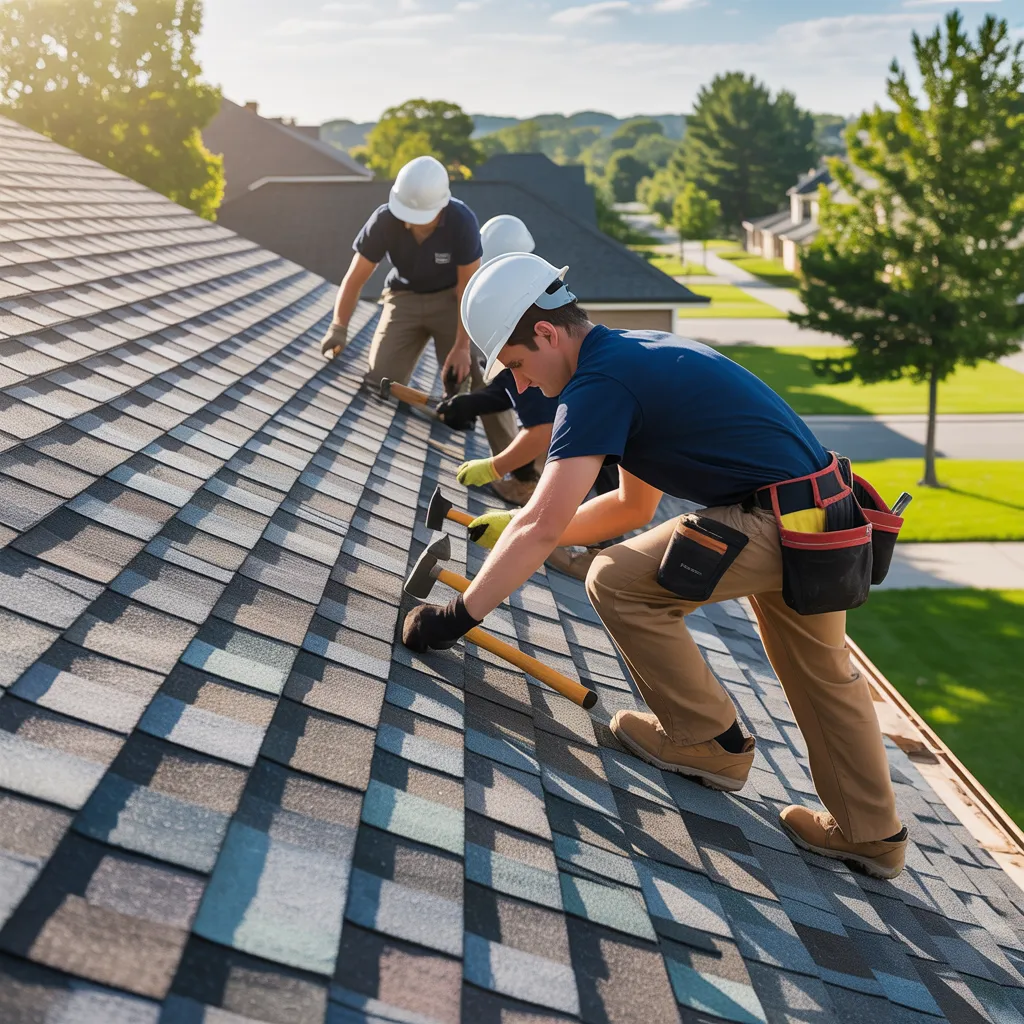
Identify Your Roofing Problems Before Hiring a Roofer
How can homeowners effectively address their roofing issues before hiring a roofer? Initially, a comprehensive assessment of the roof should be carried out, searching for clear evidence of damage including missing shingles, leakage, or discoloration. Capturing images of these concerns can help communicate the extent of damage more effectively when consulting with professionals. Homeowners should also consider the age of their roof, as this can influence the extent of necessary repairs or the need for replacement. It is essential to evaluate the interior of the home for water stains or mold, which may indicate roofing problems. Researching regional weather conditions can further assist homeowners in recognizing possible vulnerabilities. By identifying specific issues, they can communicate effectively with potential roofers, ensuring that they receive accurate assessments and recommendations. Adopting this preventative mindset allows homeowners to arrive at better-informed conclusions, ultimately contributing to a positive and effective roofing outcome.
How to Successfully Research Roofers
When researching roofers, it is important to verify their licensing and insurance to ensure adherence to local requirements. Furthermore, reviewing their qualifications and knowledge can offer a clearer picture of their abilities. Reviewing multiple estimates and offerings will assist in reaching a well-considered choice that matches your particular roofing requirements.
Confirm Licensing And Insurance
Prior to hiring a roofer, it is important to check their licensing and insurance to guarantee both credibility and protection. A legitimate license indicates that the contractor has met the necessary state regulations and standards for roofing work. Homeowners should check with local authorities or licensing boards to confirm the roofer's credentials. Additionally, insurance is critical; it safeguards both the homeowner and the contractor in case of accidents or damages during the project. Request proof of insurance, including liability and worker's compensation coverage. This step assures that any potential issues are addressed without financial burden on the homeowner. Appropriate licensing and insurance not only demonstrate professionalism but also foster peace of mind throughout the roofing project.
Evaluate Experience And Expertise
Validating a roofer's licensing and insurance establishes a strong basis for a smooth project, but understanding their experience and expertise is equally important. Homeowners should assess how long the roofer has been in the industry, as reputable businesses usually demonstrate consistent performance. Moreover, looking into the roofing services they are known for can highlight their expertise with specific materials or methods. Reading customer reviews and asking for references can provide insights into their work quality and reliability. It is equally worthwhile to ask about any qualifications or courses the roofer has pursued, which can add to their professional expertise. Diligent investigation in these aspects enables homeowners to select the right professional for their roofing requirements.
Compare Pricing And Services
How can homeowners guarantee they receive the best value for their roofing project? By evaluating estimates and offerings from several roofing professionals. This approach requires gathering comprehensive quotes that cover labor costs, materials, and project schedules. Homeowners should not only focus on the lowest price but also consider the quality of materials and warranties offered. It's vital to ask about the scope of work included in each quote, as discrepancies can lead to unexpected costs later. Moreover, examining customer feedback and confirming references can shed light on a contractor's trustworthiness and craftsmanship. At the end of the day, discover the information comprehensive research and methodical comparison allow homeowners to make confident decisions, ensuring their roofing project fulfills both cost and quality requirements.
Confirm Credentials and Explore Reviews for Quality Assurance
When choosing a roofing professional, verifying credentials is crucial for guaranteeing quality results. This involves checking for adequate licensing and insurance, which protects both the homeowner and the contractor. Additionally, examining the company's reputation through reviews can offer valuable insights into their reliability and craftsmanship.
Validate License and Insurance
Confirming that a roofer holds valid licenses and insurance is vital for any homeowner looking for quality service. A licensed roofer exhibits compliance with local regulations and industry standards, providing assurance of their expertise. Homeowners should ask for copies of the roofer's license to confirm its authenticity and guarantee it is current. Additionally, insurance coverage is crucial; it protects both the homeowner and the workers in case of accidents or damages during the project. Before hiring, homeowners should make sure that the roofer has proper liability insurance and workers' compensation. This step not only minimizes financial risks but also indicates the roofer's commitment to professionalism. Implementing these precautions helps in selecting a reliable contractor for roofing needs.
Research Company Reputation
Once you have verified a roofer's license and insurance, the next step involves researching the company's reputation. Potential customers are encouraged to examine feedback on websites including Google and Yelp to evaluate service quality. Favorable reviews typically suggest reliability and quality workmanship. It is also beneficial to seek recommendations from family members, friends, or colleagues who have recently completed roofing projects. Furthermore, interested homeowners should visit the Better Business Bureau (BBB) to uncover any disputes or pending concerns. A trustworthy roofing professional will possess a strong track record of resolving customer concerns. Connecting with former clients, if possible, can offer meaningful perspectives on the company's practices and professionalism. This thorough research guarantees well-grounded choices and enhances the likelihood of a smooth roofing experience.
How to Compare Roofing Quotes
Assessing roofing quotes requires a careful examination of multiple critical factors to secure a wise investment. Residents should initially review the overall costs, including materials and labor, guaranteeing pricing clarity. It is important to review the range of services specified in each quote; a detailed breakdown helps uncover any undisclosed costs.
Next, evaluate the suggested materials. Quality must never be traded away for a cheaper option, as sturdy materials can reduce expenses down the line. Furthermore, review the warranty provided; a comprehensive warranty signals assurance in both craftsmanship and materials.
In conclusion, consider the projected timeline for finishing the project. Estimates should include projected start and completion dates, which helps with planning. By carefully reviewing these aspects, homeowners can arrive at educated decisions that match their budget and anticipated project outcomes, resulting in a well-executed roofing project.
What You Should Ask Your Roofer During the First Meeting
What key questions should homeowners ask during their first consultation with a roofer? To begin, they should ask about the roofer's licensing and insurance to ensure adherence to local requirements and safeguard against possible liabilities. Homeowners should also ask about the roofer's experience, particularly with similar projects, to gauge their expertise. Inquiries about the materials to be utilized and the warranty provided can offer valuable information about the quality of the workmanship. Furthermore, homeowners should review the estimated timeline for the work, ensuring it meets their scheduling needs. It's important to inquire about the payment plan and any available financing arrangements. In conclusion, homeowners should ask for references from former clients to determine the roofer's track record and craftsmanship. By exploring these key points, homeowners can make educated decisions, laying the groundwork for a successful roofing endeavor.
Warning Signs to Look for in Unqualified Roofers
Recognizing incompetent roofers is crucial for homeowners to prevent expensive errors. Several red flags can signal a lack of professionalism or expertise. To begin with, exercise caution with roofers who offer quotes without conducting a detailed inspection. This often indicates a lack of diligence or knowledge. Moreover, the absence of valid licensing and adequate insurance should prompt serious concern, as it places homeowners at significant legal and financial risk.
An additional red flag is the reliance on high-pressure sales tactics. Trustworthy professionals should permit customers to evaluate their options carefully rather than push them to decide hastily. Furthermore, a poor online presence, including negative reviews or limited social media activity, can indicate questionable trustworthiness. Lastly, if a roofing professional cannot supply a thorough contractual document, it may signal a lack of professionalism. Residents should pay close attention to these indicators to ensure they choose a skilled and reliable roofing expert for their project.
Questions We Get Asked Often
How Long Does a Roofing Project Generally Take to Complete?
Generally, a roofing job can span a few days to fourteen days to complete, based on factors including the roof's dimensions, structural complexity, weather-related factors, and the roofing crew's experience and efficiency.
What Are the Best Materials for My Climate?
In climates with heavy snowfall, metal roofing is ideal, while asphalt shingles work best in regions with mild weather conditions. For areas with high temperatures, clay tiles or reflective roofing materials are effective at minimizing heat absorption, guaranteeing long-lasting performance and energy savings across various climates.
How Do I Care for My Roof Following Installation?
Routine inspections, removing debris, upkeeping gutters, and identifying leaks are critical for roof upkeep after installation. Tackling minor concerns without delay can avoid substantial damage, maximizing the roof's longevity and securing top-level performance throughout its lifetime.
Are There Warranties Available for Roofing Services?
Yes, various warranties are available for roof-related services, generally encompassing workmanship and roofing materials. Property owners are encouraged to ask about the specific terms, including the length and scope of coverage, to secure proper protection for their roofing investment.
What Types of Insurance Should Roofers Have for Protection?
Roofing contractors must hold liability coverage to cover damage to property, workers' comp coverage for on-the-job employee injuries, and potentially business auto coverage for work vehicles used on the job. These policies protect both the contractor and the client from unforeseen circumstances and liabilities.